Symptoms do not always mean replacement
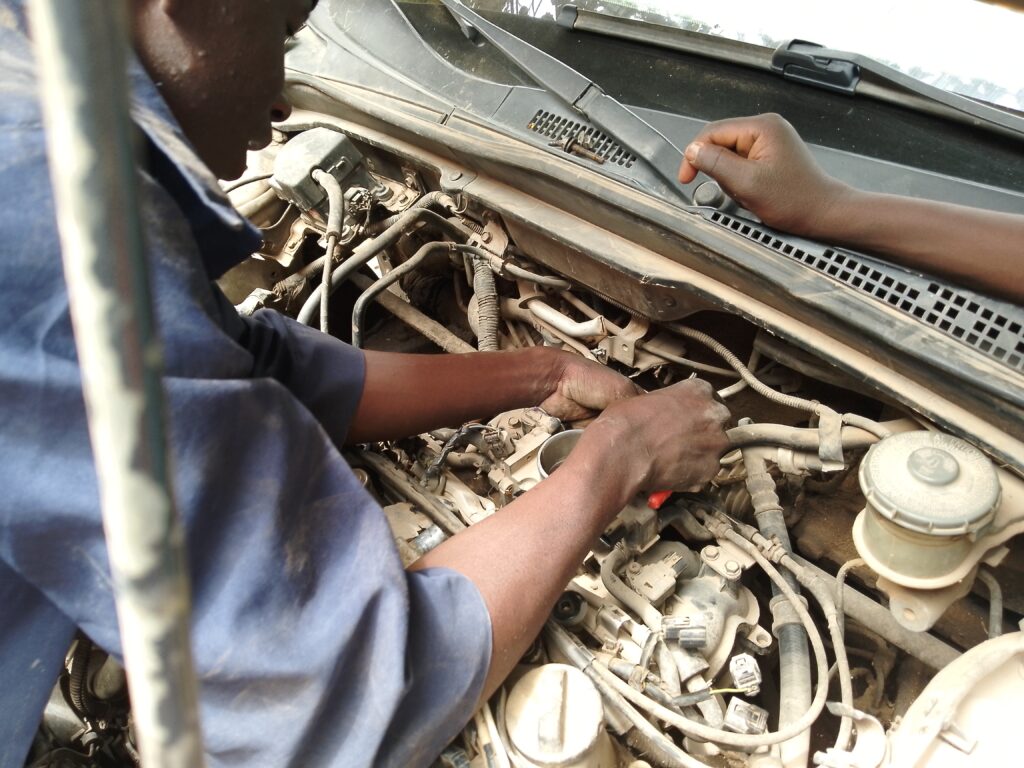
Delayed engagement, slipping, unusual noises, fluid leaks and warning lights can indicate transmission trouble, but other systems can cause similar symptoms. A qualified repair professional should diagnose the vehicle before a replacement is ordered.
Common symptoms to document
- Delayed movement after selecting drive or reverse
- Unexpected changes in engine speed during acceleration
- Harsh or inconsistent shifting
- Unusual noises or vibration
- Visible leaks or transmission-related fault codes
These observations are not a diagnosis. Driving with a serious fault may create safety risks or additional damage. Follow the advice of a qualified technician.
Gather diagnostic and vehicle information
Keep the diagnostic report, fault codes and any repair estimate. Record the year, make, model, engine, drivetrain and VIN. Ask the installer to identify the exact transmission code and whether programming or adaptation is required.
Compare replacement options
Before purchasing a used transmission, review the assembly contents, reported mileage, inspection information, written warranty, freight charges and installation requirements. Ask whether the torque converter or electronics are included rather than assuming they are.
Request a vehicle-specific quote
If a professional diagnosis supports replacement, American Auto Parts 4U accepts used OEM transmission requests for U.S. cars, SUVs and pickup trucks. Review used OEM transmission information and request a free quote. Availability and compatibility require confirmation.